
National visa D is a long-term visa that allows you to stay in Poland for more than 90 days. In practice, when applying for this document, health insurance is, as a rule, mandatory, since it is supposed to confirm the coverage of medical expenses during your stay. In this article we explain when the policy is required, what coverage it should include, and how to prepare the documents so that the application for a D visa to Poland is complete.
What is a national D visa?
A national visa D is a document issued to a foreigner who plans a longer stay in Poland. Most often, it is for work, study, family residence or other purposes that justify a stay of more than 90 days. The visa itself is not a substitute for health insurance, but is usually required to show that the person coming to Poland will have financing for medical treatment.
From the perspective of the office and the consulate, it is important that the foreigner is not left without protection in case of sudden illness or accident. That is why the phrase domestic visa D insurance comes up very often along with the question of documents and formal requirements. In practice, the insurance for medical expenses is supposed to be proof that any medical services will not be financed without security from the applicant.
If you want to better understand the general principles of policies for foreigners, it's worth seeing also insurance for visa and information about the cost of treatment in Poland.
💡 Important Tip
When applying for a visa, it is not only having a policy that counts, but also a correct document confirming the coverage, duration and data of the insured.
Is insurance compulsory?
In most cases, the answer is yes, health insurance for a D national visa is mandatory. The consulate or other competent authority expects a document confirming that the foreigner will have medical expenses covered for the duration of his stay in Poland. This is why the question of whether insurance is compulsory is one of the most frequently asked by applicants for a D Poland visa.
In practice, both private insurance and another form of health insurance can be accepted if it meets the requirements under official regulations and procedures. Product data shows that policies for foreigners are designed precisely as a basis for applying for a visa, and cover medical expenses related to a sudden illness or accident. The coverage usually operates in the territory of Poland, up to the amount indicated in the policy.
It is worth remembering that the mere fact of planned employment or subsequent NFZ coverage does not always resolve the case at the application stage. The visa authority evaluates the documents available at the time of processing the case. Therefore, the policy must be valid, legible and in accordance with the requirements for the visa.
Which insurance to choose?
The safest choice is a policy prepared specifically for foreigners applying for a visa or legalization of their stay. Such a product usually includes insurance for medical expenses, assistance, and sometimes accident insurance or liability in private life. Product materials show that the encountered sums of insurance for medical expenses in Poland can range from 30,000 to 60,000 euros, and in broader variants even more. The most important thing for the customer, however, is whether the policy meets the formal requirements for a visa.
At a minimum, a good policy should cover doctor's visits, hospital stays, examinations, treatments, medications and medical transportation, if specified in the terms and conditions of the insurance. Emergency dental care, repatriation or transportation of the deceased also appears in some offers. At the same time, you need to check the exclusions of liability, because the insurer may not cover elective treatment, chronic diseases to the full extent, or ancillary risk events.
If you are comparing a private policy and a public system, the article will be helpful Private or National Insurance. When dealing with visa formalities, it is also useful to know how to correctly state insurance data in the application.
💡 What to look out for
Don't choose a policy solely on price. What matters for the D visa is compliance with the requirements, the scope of coverage, the sum insured and the correctness of the document issued by the insurer.
How to prepare the documents?
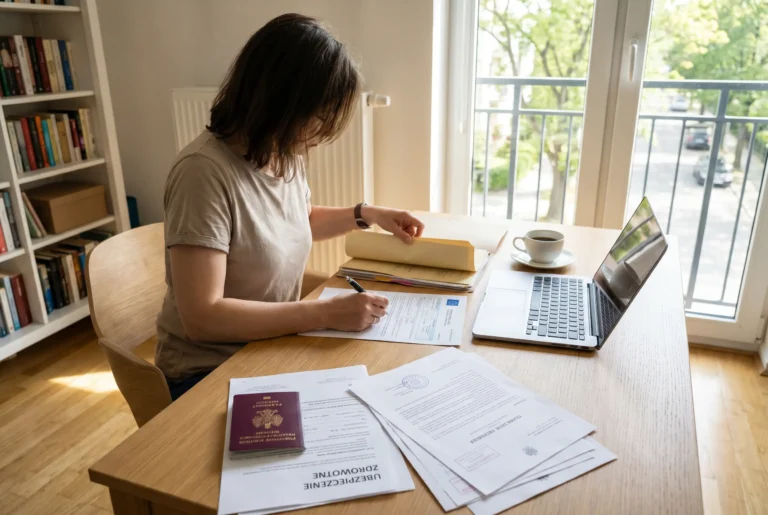
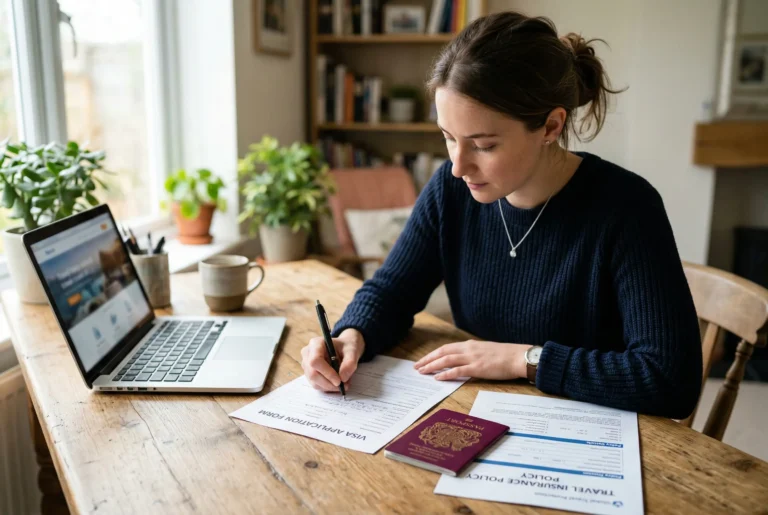
When applying for a D Poland visa, you need to ensure that all data is consistent. The name in the policy should correspond to the data in the passport. The period of protection must be consistent with the planned stay or the date indicated by the visa procedure. It is also important that the document clearly indicates the territory of protection, the scope of benefits and the sum insured for medical expenses.
It is a good idea to print out the full policy endorsement or certificate in the version acceptable to the authority. When in doubt, it's also a good idea to have a T&C or summary of benefits. This speeds up verification and reduces the risk of being called in for deficiencies. In practice, many problems arise not from lack of insurance, but from an illegible document or incorrect data in the application.
Before buying a policy, it is worth checking whether it covers only Poland or also the border zone or other countries. If your stay plan involves work or study, it may also be useful to have guides about residence card and doctor without NFZ.
Frequently asked questions
Is it always necessary to have insurance for a D national visa?
In practice, when applying for a D national visa, health insurance is generally required. The visa authority expects confirmation that medical expenses during your stay in Poland will be covered.
What insurance for D visa Poland will be appropriate?
It is best to choose a policy for a foreigner that covers medical expenses, sudden illness and personal accident. The document should clearly indicate the insured's data, the period of coverage and the sum insured.
Is the National Health Insurance sufficient instead of a private policy?
Sometimes you do, but only if you can already demonstrate a real and acceptable right to benefits at the application stage. In many situations, a private policy prepared for visa purposes remains a simpler solution.
How much should medical expense insurance be?
It depends on the specific offer and procedural requirements, but on the market one encounters variants with a sum of 30,000 or 60,000 euros for a stay in Poland. The most important thing is that the policy complies with the requirements for the visa and is accepted by the authority.
What documents are worth attaching to a visa application?
Usually you need a policy or certificate of insurance, and sometimes additional proof of coverage. You may find this guide helpful how to enter the policy in the application, to avoid formal errors.
Does the policy have to be effective from the day of entry into Poland?
Yes, the protection should cover the period during which the foreigner realistically stays in Poland or from the moment indicated in the visa procedure. A break in protection can cause a problem when evaluating documents.
Summary
Domestic visa D insurance is a topic that should not be left to the last minute. In most cases, health insurance is mandatory and should confirm coverage of medical expenses during your stay in Poland. Before applying, check the scope of coverage, the sum insured, the correctness of the data and the duration of the policy. If you want to prepare documents safely, choose a solution designed for visa purposes and make sure it meets the current requirements for a visa.






 Polish
 English
 Ukrainian
 Turkish
 Russian
 Indonesian
 Vietnamese
 Spanish