
Tourist visa to Poland and the role of insurance
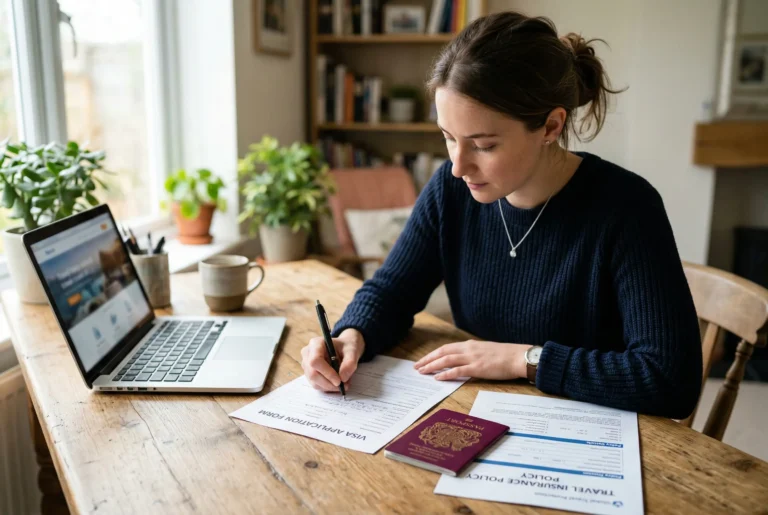
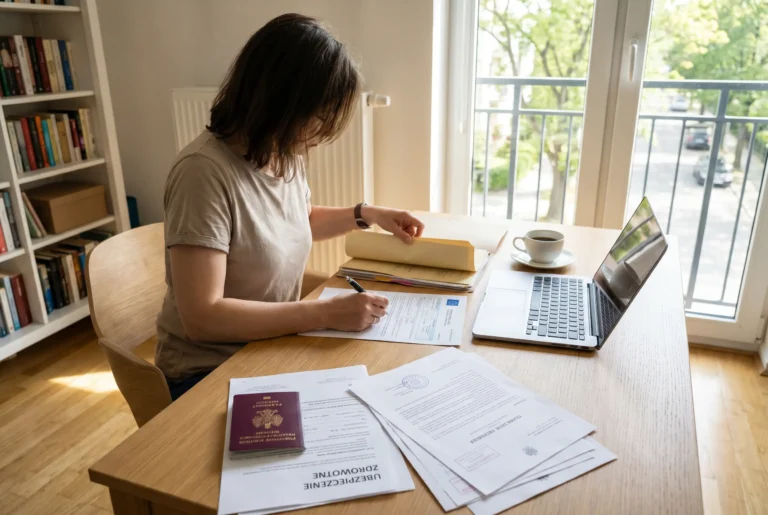
A person planning to come to Poland on a visa should prepare not only a passport, a form and confirmation of the destination. Equally important is adequate medical insurance. In practice, it is often the one that determines whether the visa documentation will be complete. Phrase tourist visa Poland insurance So it doesn't apply to the trip allowance, but to one of the key formal requirements.
Well-chosen travel policy is to confirm that in the event of a sudden illness or accident, the cost of treatment will not fall on the traveler or the Polish public system. This is especially important if the foreigner is not covered by the National Health Fund. In this article, we explain what the minimum amount of insurance, what the protection usually must cover, what are the most important Schengen requirements and why it is worth looking not only at the price, but also at the real scope of protection.
💡 Important Tip
It is best to attach to the visa application a policy with a clear period of coverage, sum insured and coverage including medical expenses and repatriation.
What Schengen requirements the policy must meet
If a tourist visa to Poland is issued under the Schengen regime, insurance should meet certain standards. From the available product materials, it appears that policies for this zone primarily cover medical expenses following a sudden illness or accident, as well as assistance, repatriation and transportation of the deceased. In practice, it is these elements that are most often verified when evaluating documents.
The territory of protection is also important. The policy should operate in Poland and in the Schengen area, if such coverage is based on the type of visa and itinerary. It is worth remembering that the insurer may require contact with an emergency center before arranging benefits. Therefore, before buying, it is good to check not only the name of the product, but also the rules for reporting a claim. Tips from the article may also be useful how to enter a policy in a visa application, to avoid formal errors.
Key elements of the policy
Minimum sum insured and medical expenses
For visa applicants, the key question is what should be the minimum amount of insurance? In practice, with policies related to Schengen requirements, the standard is a sum equivalent to at least 30,000 euros for medical expenses and related benefits. In the materials analyzed, a variant of 60,000 euros also appears for Schengen-type products and variants covering Poland. This shows that a higher sum can provide a greater margin of safety.
The reason is simple: treatment costs in Poland for an uninsured person can be high. Medical consultation, diagnosis, hospital treatment, outpatient surgery or medical transportation quickly generate significant expenses. Even if a visa requires a minimum level of coverage, it is wise to choose a policy that better matches real costs. The site is also worth referring the reader to the material treatment costs in Poland, so that he can assess the scale of possible expenses without protection.
Is the minimum always enough
Not always. The minimum level meets the formal requirement, but does not in every situation give financial comfort. For a longer stay, a higher age of the traveler or planning an intensive tour, it is better to consider broader protection.
💡 Practical advice
If the policy is to be used for a visa, choose a document issued in Polish or English, with a clear indication of the amount in euros and the scope of coverage.
How to choose a travel policy to Poland
Good travel policy should combine compliance with the authority's requirements and real usefulness in case of health problems. The cheapest option will not always be the best. It is worth checking whether the document covers only basic medical expenses or also emergency dental care, medical transportation and assistance. These are the benefits that appear in the product materials for Schengen protection, so they are a good point of reference when choosing.
The credibility of the insurer and the form of the document are also important. The consulate or visa center should easily read the period of coverage, the insured's details and the sum. If the traveler needs additional information about private health care coverage, the article will also be helpful Private or National Insurance for a foreigner. In turn, upon arrival, it may be practical to develop how to find a doctor without NFZ.
What to look for before buying
Summary: Which insurance to choose for your visa
If the goal is tourist visa Poland insurance It cannot be random. The policy should meet Schengen requirements, cover the entire period of stay and provide coverage for medical expenses, assistance and repatriation. Although minimum amount of insurance is sometimes treated as a formality, in practice it is worth looking more broadly and matching the scope to the real risk and itinerary.
Well-prepared travel policy increases the chance of a smooth visa process and gives you financial security when you arrive in Poland. If you want to compare solutions, start by checking the offerings insurance for visa and make sure that the document contains all the data needed for the application.






 Polish
 English
 Ukrainian
 Turkish
 Russian
 Indonesian
 Vietnamese
 Spanish